


Spanish Customs Expats Love About Living in Spain
Spain has many beautiful places, historic cities, and great food. But at the end of the day, what stays with many expats is not these, but rather the daily flow that belongs solely to Spain. This includes how Spaniards socialize, eat, and celebrate. What sets many cultural customs in Spain apart is nothing grand, just small things that have become habits.
Food at the Heart of Daily Life
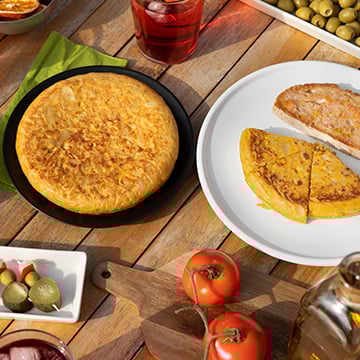 Like many other Mediterranean countries, Spain also takes food very seriously, so much so that there are many customs tied to the table, whether it is about when you eat or how long meals take. Spain’s cuisine is exceptional, yet the time spent eating is not about the food but rather socialising and connecting.
Tapas Culture in Spain
Tapas are more than just small plates. It is a community ritual and part of gathering with loved ones. It’s common to move between bars and share small plates with a drink, whether it is a simple snack or regional specialties. These plates are a way to bring people together, with conversation being the most important ingredient. With a casual setting and delicious food, conversations can easily stretch for hours.
Late Mealtimes of Spaniards
It’s just one of the general unwritten rules of daily life in Spain. While many attribute this to the relaxed and slower pace of Spaniards, in reality, this is mostly due to a time zone change years ago and work hours. As they’ve been living in the wrong time zone, mealtimes naturally shifted later and simply stayed that way.
Breakfast doesn’t happen until 10 am, so early on, small bites are the way to go. Lunch break is between 2 pm and 4 pm, while dinner does not start until 9 pm or even later.
This definitely needs some adjustment time, especially for cultures with early dinners before 7 pm, but many expats express a liking to this unhurried schedule as they settle in.
Sobremesa Culture: Lingering at the Table After Meal
Sobremesa is a unique Spanish custom, one that showcases how food and socialising are inseparable. Though there is no English equivalent, sobremesa literally means “over the table,” and the concept is simple: time spent sitting and talking when meals are already finished. And it isn’t just reserved for Sunday brunches, but part of everyday lunches.
Spaniards don’t take lunch lightly, after all, it is one of the largest meals of the day; however, more than the food, catching up with family and friends, sharing laughter, and idle conversations for an hour or two is the whole point.
Spain’s Terraza Culture: Outdoor Dining
Having your meal at the restaurant and bar patios or outdoor areas of homes is part of Spain’s dining customs. Since the weather permits and the sun sets late, the outdoors create a lovely environment for socializing that naturally extends to sharing meals. It is closely linked with tapas gatherings and weekend barbecues. Whether at a restaurant patio or on a terrace, balcony, or garden at your Spanish home, the meal ends up outside.
Relaxed Schedules in Spain
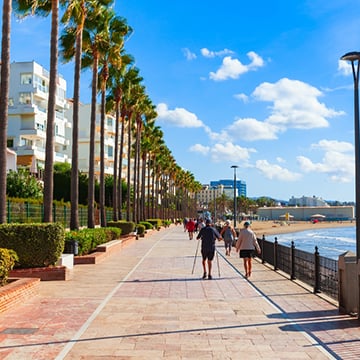 In Spain, people like to take their time, without rushing for the sake of it. While the necessary things get done, when you’re enjoying a conversation, staying in that moment takes priority for Spanish people. This is also tied to mañana, meaning tomorrow, which is rooted in living in the moment and allowing a flexible attitude toward time.
For expats coming from time-strict cultures, this can be puzzling, but the mañana culture in Spain often translates to a low-stress, relaxed lifestyle that creates more time for socialising and a healthier work-life balance.
Siesta Times and Midday Slowdowns
Perhaps the most famous traditional customs in Spain, the siesta is an important factor in daily life. Nowadays, not many Spaniards take a nap around 2 to 5 pm; however, life usually slows down the same, during siesta hours, especially in small cities and towns. Most shops close down and open again in the evening, though many shops in tourist spots and major retailers tend to keep their doors open.
Evening Paseos and Plaza’s Place in Social Life
Many towns and cities still practice the paseo tradition in Spain, a leisurely evening stroll before or after dinner. This custom is more than just a walk but a ritual that brings the community together and anchors social life. Families, couples, the elderly and the young, everyone takes to the streets, promenades, and plazas, enjoying conversations and each other's company. There is no particular destination and no rush.
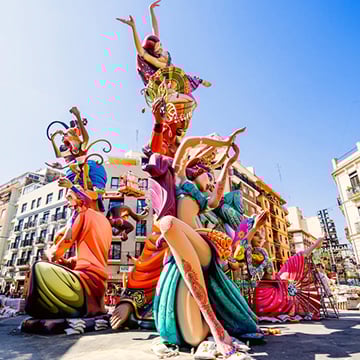 Plazas also serve as much more than a backdrop. They are an important part of social life where children play together, the older residents take a seat and chat among themselves, and people meet with friends.
Spanish Fiestas and Celebrations
There are many celebrations and local festivals in Spain that color the calendar throughout the year. Many expats love these events as they get a closer look at the diverse culture of different places. While major events like La Tomatina are famous among foreigners, almost every town has its own traditional celebrations tied to local identities. There are also unique takes on global holidays like Halloween in Spain that many expats find themselves genuinely enjoying.
However, what strikes most expats is not the scale or the colorful parades, but how schools, neighborhoods, and families all come together around these events.
Ultimately, all Spanish customs foreigners love are cut from the same cloth. Family and community are at the core of it all, and living in the present is what defines the Spanish lifestyle. If you’d like to experience this kind of a lifestyle from the comfort of your own home, you can explore homes for sale in Spain.
★ If you found this content helpful, please add tekce.com to your Preferred Sources in Google.

 EN
EN 


