- Home
- Blog
- Area Guide
- Cost of Living in Turkey for Expats


Cost of Living in Turkey for Expats
Turkey has been high on expats' lists of best places to live and visit. The country boasts a rich culture, natural beauty, and cities that vary in atmosphere and lifestyle, so it's only natural that it's loved so much. Now, you may also be thinking of making your move, but permanently staying in another country does take more than a vacation mindset. In this decisive moment, the cost of living in Turkey is a truly important factor.
While day-to-day living costs may vary depending on your lifestyle choices, household size, and which city you're thinking of moving to, we can talk about the average costs and what you can realistically expect to spend.
What is the Average Cost of Living in Turkey?
The country's relatively lower living costs have always been one of the factors that make it so popular. But let's talk numbers, how much is the cost of living in Turkey?
For a comfortable lifestyle with basic needs covered:
- The cost of living in Turkey for a single person averages around $1,330–$2,000. If you want a more luxurious lifestyle, this could climb above $2,800.
- For a couple with shared rent and some expenses split, monthly costs typically run $1,900–$2,800.
- A family of four faces larger expenses across rent, food, education, and transportation, so they can expect around $2,700–$4,200 per month.
Keep in mind these figures shift between cities, as places like Istanbul typically mean higher rent and entertainment costs. Your personal choices matter too: dining out frequently, opting for private healthcare, or choosing international schools will all push your budget higher.
Cost of Living in Turkey per Month
 Now you know the overall average living costs in Turkey, let's take a deeper look at where your money actually goes.
Housing Costs in Turkey
When it comes to monthly budgets, rent is usually a significant part of expenses. Turkey's rent prices, even in cities like Istanbul, are significantly lower than in major western cities like London.
Renting in Turkey:
- 1-bedroom apartments in central locations of major cities average $700–$1,500 monthly
- 3-bedroom apartments in city centers typically run $930–$2,000 monthly
- Smaller cities offer even lower rates, often well below these averages
If you’re thinking of buying property, home prices in Turkey average around $900 per square meter nationwide, making homeownership an accessible option for many expats looking to settle long-term.
Cost of Utilities in Turkey
Basic utilities like electricity, water, and gas run approximately $65–$130 monthly for a mid-sized apartment. Depending on the season and household size, energy prices can change, though they tend to be lower in Turkey than in most European countries. Internet and phone plans are also part of monthly costs but tend to be minimal, averaging around $39 per month.
Food and Grocery Prices in Turkey
 Buying groceries is generally affordable, especially at local markets and neighborhood shops. A single person can spend around $150–$250 monthly on basic staples, fresh fruits, meat, vegetables, and dairy products. That translates to roughly $30 per person weekly, though it varies with preferences. Here's what you can expect:
- Bread (200g loaf): $0.35
- Milk (1 liter): $0.98–$1.23
- Eggs (12): $2.30
- Chicken breast (1 kg): $5.92–$6.33
- Local cheese (1 kg): $9.60
- Fresh vegetables: typically under $1.50 per kg
Cooking at home is budget-friendly, but dining out is equally affordable in Turkey. Casual local restaurants serve meals for around $11, while street food costs even less. At a mid-range restaurant, two people can enjoy dinner for $30–$55, even in major cities like Istanbul. If you're balancing grocery shopping with occasional dining out, plan for $250–$350 monthly.
Transportation Costs in Turkey
Public transport is extensive and makes it easy to move around, especially in major cities. It's also remarkably affordable. Though fares vary by city, a one-way bus ticket costs less than $1, and monthly passes run around $75. Students and seniors also enjoy discounted rates. In major cities, taxis typically charge around $1 per kilometer, meaning a 20-minute ride in Istanbul would cost less than $20.
For those driving their own vehicles, fuel and maintenance add up to a monthly budget of $115–$310. This includes fuel, insurance, repairs, and possible parking fees.
Beyond Basics: Lifestyle Costs in Turkey
Monthly rent and groceries cover basic needs, but healthcare, education, and enjoying life are also part of the equation. Knowing these costs is just as important when planning your budget.
Healthcare Costs in Turkey
 Turkey's healthcare system is comprehensive, attracting patients from around the world for various procedures. Public healthcare provides wide coverage for residents, while private institutions and clinics offer faster service and shorter wait times.
A visit to a private doctor typically costs around $60–$80. With insurance, costs drop significantly or are fully covered. Major medical procedures in Turkey are also more affordable than in Western Europe and North America, often costing 50–70% less.
Private health insurance is recommended for expats, as public health insurance (SGK) requires one year of legal residency to qualify. A comprehensive private plan with extended coverage for chronic conditions and special cases costs up to $200 monthly, a fraction of what you'd pay elsewhere.
Education Costs in Turkey
Public schools offer free or minimal-cost education for residents, from preschool through high school.
Many expat families choose private institutions for their children, as they offer international curricula and English-language instruction. Private preschool costs vary widely depending on the school and location.
Private primary and secondary education (K-12) ranges between $1,120 and $2,500 monthly, with top-tier schools offering international curricula like IB or American programs commanding higher fees. Turkey's private school costs are significantly lower than US averages and offer competitive quality at a fraction of Europe's price.
Entertainment and Leisure Costs in Turkey
Activities and social life are a big part of comfortable living. Leisure costs in Turkey remain affordable, even in major cities.
- Gym membership: $40–$85 monthly, particularly in business districts or popular chains
- Cinema ticket: $6–$8
- Theatre or concert: $8–$59, depending on the event
Where to Live: Living Costs in Turkish Cities
While average costs give us a general idea, Istanbul's living costs and Izmir's living costs aren't exactly the same. Here's a general comparison of the best places to live in Turkey for expats, based on monthly expenses for a single person (excluding rent):
- Istanbul: $752–$1,731
The highest cost of living, but job opportunities and salaries are also higher to match.
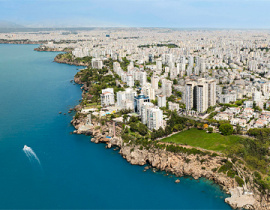
- Antalya: $650–$1,596
A longtime favorite among expat families and retirees, offering a Mediterranean lifestyle at moderate costs.
- Izmir: $692–$1,400
A relaxed pace among major cities with Aegean charm and growing expat communities.
- Ankara: $652–$1,196
The capital offers the most affordable major-city living with urban amenities.
Turkish cities offer varying lifestyles and costs of living. Overall, the country remains one of the most affordable places for expats to live, with a quality of life that far exceeds the price tag. If you're considering making the move, check out our comprehensive guide on Turkey for expats to help you decide if it is the right place for you.
Note: This article was last updated in February 2026 to reflect current prices and figures.
FAQ
Is it expensive to live in Turkey?No, it is relatively affordable to live in Turkey compared to major Western countries, especially outside of Istanbul’s luxury neighborhoods. A single person can live comfortably on $1,330–$2,000 monthly.
How is the quality of life in Turkey?Turkey offers a high quality of life at lower costs, with a good healthcare and education system, as well as a rich culture and diverse landscapes.
How much money do I need to live comfortably in Turkey?The budget for a comfortable life in Turkey depends on the city, lifestyle and type of home. In big cities like İstanbul, Ankara and İzmir, especially in central areas, costs are higher. In medium-sized cities or coastal regions, a similar standard of living is possible with a lower budget.
Compared to the world, living comfortably in Turkey costs about 40% less per month than in the USA or Western Europe for the same standard. Housing, daily expenses and service costs are the main reasons for this difference. Turkey offers homes for different income levels and flexible living costs. This lets people adjust their spending according to their priorities.
★ If you found this content helpful, please add tekce.com to your Preferred Sources in Google.




 EN
EN 


