- Home
- Blog
- Buying Guide
- Tokenizing Real Estate in Spain: What You Need to Know


Tokenizing Real Estate in Spain: What You Need to Know
The world of real estate is changing fast, and technology is at the center of that shift. What used to be a market defined by slow transactions, high entry costs, and strict borders is now opening up through blockchain and digital assets. Investors today expect more accessibility, more transparency, and faster ways to move their money, and Spain has become one of the key places where these changes are unfolding. From tokenized properties that allow fractional ownership to entire homes purchased with cryptocurrency, new tools are changing how you can enter the market and how global capital flows into it.
Understanding Real Estate Tokenization in Spain
 Real estate tokenization means turning property rights or income from a property into digital tokens on a blockchain. Each token can represent a small piece of ownership or a share of the income stream, allowing you to participate without purchasing an entire property. Blockchain ensures that transfers are fast, transparent, and secure because every action is recorded on an immutable ledger. For example, a property worth €1 million in Spain could be split into 10,000 tokens so that you could invest for just €100. This way, Spain real estate tokenization enables fractional ownership and makes property investment more accessible to everyday investors.
You can approach tokenization of real estate property in two main ways: income flows or full property ownership. If you choose income flow tokens, you only gain rights to rental income or sale proceeds, but you don’t hold the property title. This model is simpler and often fits under a lighter legal framework, so projects can reach more investors at a lower cost. On the other hand, tokens tied to full property ownership give you equity rights, such as voting or resale. These fall under stricter securities rules, which require registration with Spain’s regulator.
The regulatory environment in Spain plays a major role in shaping tokenized real estate. Under the new MiCA rules, tokens linked to income flows are easier to issue, but issuers must still follow consumer protection and anti-money-laundering requirements. In contrast, tokens that grant ownership fall under MiFID rules, which treat them like traditional securities. That means detailed documents, registration with the CNMV, and strict oversight. Spain has also tested blockchain pilots in property registries, which shows that regulators are preparing for broader use of tokenizing real estate in the market.
Across Europe, several projects show how tokenization is already being applied. In Switzerland, Blockimmo tokenized a commercial building in Zurich and attracted global investors. In Spain, platforms like Brickken and Reental focus on tokenized rental income shares and operate under MiCA guidelines. These companies illustrate how a real estate tokenization platform can make investing more efficient. In the UK and Europe, Smartlands has launched regulated security tokens for properties, including U.S. residential developments.
Benefits of Tokenized Real Estate for Investors in Spain
 The benefits of real estate tokenization start with lowering entry costs, since it allows you to buy only a fraction of a property instead of the whole asset into digital tokens. A property worth €150,000 can be divided into 1,500 tokens at €100 each, so you could invest with just €100 instead of saving tens of thousands. This approach opens the door for small investors who want to participate in Spanish real estate but do not have large amounts of capital. It also helps you diversify your money across several properties rather than putting it all in one place.
Another advantage is the increased liquidity that comes with real estate asset tokenization compared to traditional property ownership. Normally, selling or buying real estate in Spain takes months and involves high costs, but tokenized assets can be traded quickly on blockchain platforms. Smart contracts handle compliance and settlement automatically, which reduces fees and waiting times. Platforms such as OpenBrick already support continuous trading of tokens, showing how real estate tokenization platforms make participation easier and more flexible.
Tokenization offers also helps Spain attract international investors because property tokens can be bought from anywhere in the world. You only need a digital wallet to participate, so you do not face barriers like local banking or notarial processes. At the same time, a growing real estate tokenization company can offer a tailored real estate tokenization solution for investors, while larger real estate tokenization companies continue building trust in the market through innovation and compliance. The Spanish market also benefits from the EU’s MiCA regulations, which support real estate tokenization development and provide clear rules and protections that build confidence for foreign participants.
Risks and Challenges of Tokenized Real Estate in Spain
 Market volatility is a serious risk in tokenized real estate because tokens often trade on markets influenced by both property values and cryptocurrency trends. Prices can swing quickly due to speculation, and in times of low demand, you may find it difficult to buy tokenized real estate or sell your holdings at fair value. Real estate itself is also cyclical, so downturns can push token prices down even faster than traditional property values. This means you face higher uncertainty in both short-term returns and long-term adoption of the model, especially in areas like commercial real estate tokenization, where larger properties are involved.
Another challenge comes from regulatory gaps and compliance issues in Spain. Some projects fall under MiCA rules while others must follow MiFID, and the overlap between the two creates confusion. Spain also participates in limited EU pilot programs, but these do not cover all tokenization efforts. Taxation rules remain unclear as well, so you may face unexpected reporting or liability problems. Investors need to understand how the real estate tokenization process is classified under these frameworks before committing funds.
Security risks are equally important to consider before investing. Losing access to your digital wallet or private keys could permanently erase your tokens, and phishing scams remain common. Smart contracts can also contain flaws that hackers exploit to steal funds or alter token balances. In addition, real estate tokenization platforms in Spain often rely on third-party integrations, and a breach in any part of the system can put your investment at risk.
TEKCE’s Pay with Bitcoin Service for Secure and Fast Transactions
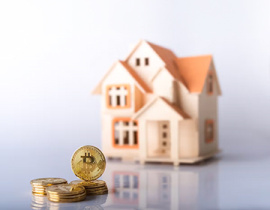
We, as TEKCE, have built a strong track record of selling properties through cryptocurrency. In 2017, TEKCE became one of the first real estate firms to complete a property sale using Bitcoin under full legal supervision. Since then, it has finalized more than 2,500 crypto-based sales across Spain, Turkey, North Cyprus, Montenegro, and the UAE. By accepting digital assets, TEKCE gives you faster, more transparent transactions and proves that blockchain aligns with its goal of providing modern, global solutions for tokenized real estate investment.
.jpg "TEKCE’s Pay with Bitcoin Service for Secure and Fast Transactions") These completed sales highlight how crypto-based transactions position Spain as a modern and investor-friendly market. For example, the first Bitcoin sale was completed in just three days, and high-value deals worth hundreds of thousands of euros have followed without payment failures. By pioneering these transactions, TEKCE not only proves that crypto works in real estate but also strengthens Spain’s image as open to innovation and accessible to international buyers. This growing momentum also supports property tokenization in Spain, showing how blockchain-backed models are transforming traditional real estate.
These completed sales highlight how crypto-based transactions position Spain as a modern and investor-friendly market. For example, the first Bitcoin sale was completed in just three days, and high-value deals worth hundreds of thousands of euros have followed without payment failures. By pioneering these transactions, TEKCE not only proves that crypto works in real estate but also strengthens Spain’s image as open to innovation and accessible to international buyers. This growing momentum also supports property tokenization in Spain, showing how blockchain-backed models are transforming traditional real estate.
TEKCE also highlights the benefits of crypto payments compared to traditional bank transfers through its dedicated “Pay with Bitcoin” service page. With crypto, you bypass cross-border banking delays and avoid high transfer fees, so the process is faster and often cheaper. Payment is converted at the market rate and then sent in euros to the seller, which gives you both transparency and certainty. The company’s agents guide you through KYC and agreements to ensure full compliance, and legal experts oversee every step. This service reflects TEKCE’s commitment to making real estate purchases simple, secure, and future-ready for crypto investors like you. At the same time, clients are informed about real estate tokenization risks, while TEKCE explores partnerships with some of the best real estate tokenization platforms to expand opportunities for tokenized property investment in Spain in the years ahead.


 EN
EN 


