- Home
- Blog
- Market Analysis
- Investing in Turkish Property in 2026: Risks vs Opportunities


Investing in Turkish Property in 2026: Risks vs Opportunities
Turkey’s real estate market is experiencing rapid growth, driven by rising property values, strong rental demand, and new investment regulations that are creating opportunities. Some of the best cities to invest in Turkey’s real estate, like Istanbul, Antalya, and Bodrum, are growing because of infrastructure, tourism, and urban renewal projects. At the same time, there are property investment risks such as seismic activity of the area, seasonal demand changes, and regulatory limits that affect returns. Investors who understand the pros and cons of property investment in Turkey can find the one with both income and long-term value.
Exploring the Risks and Benefits of Property Investment in Turkey
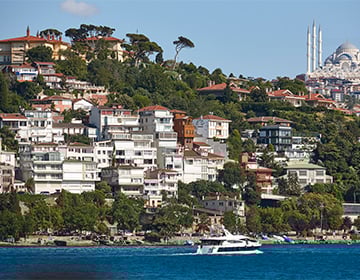 Is Turkey safe for property investment?
Yes, investing in a property in Turkey is a safe decision, given the current market environment; however, there are a lot of pros and cons of an investment property that you have to consider. For a smart investment, you have to weigh all of the pros and cons and come up with a strategic, lucrative plan in the end. This is crucial for making low-risk property investments. If you would like to know about property investment, check out our investor guide!
Be Wary of the Rising Property Taxes in Turkey
In 2026, Turkey has updated its property tax system with a new four-year valuation cycle. Registered property values, or rayiç bedel, are rising sharply in major cities like Istanbul and Izmir, sometimes by 300% to 500%, and in luxury districts even higher. The rising taxes in Turkey affect annual property taxes, title deed fees, and inheritance obligations, which raise the cost of owning real estate. Rental income is now tracked through mandatory digital contracts on the E-Devlet portal, which makes reporting more transparent and increases tax accountability for landlords. These changes create higher upfront and ongoing costs for people investing in property in Turkey, but they also clarify the financial framework for long-term planning.
Take Advantage of the Property Appreciation in Turkey, 2026
Despite the economic risks of investing in Turkey, real estate still offers strong potential for value growth. Turkey’s GDP is expected to stabilize at 3.9%, and inflation is slowing to 16–21%, which allows property to gain real value above inflation. The housing market faces a severe shortage because construction costs rose nearly 650% from 2021 to 2025, slowing new projects. Current housing supply meets only half of annual demand, which supports the Turkey property price growth forecast even during slower economic periods. People who are interested in Turkey property investment in 2026 can expect steady capital appreciation driven by this imbalance between supply and demand.
Turkish Lira Fluctuation and Impact on Foreign Property Investment in Turkey
.jpg "Turkish Lira Fluctuation and Impact on Foreign Property Investment in Turkey") The Turkish Lira remains volatile, which affects foreign buyers in different ways. Those using USD or EUR can take advantage of Lira depreciation, often buying property at 15–20% lower than historical USD-equivalent prices. However, currency risk when buying property in Turkey includes that fast Lira declines can offset property gains when measured in foreign currency, limiting ROI. In 2026, the Lira is expected to stabilize more than in past years, which lowers currency risk and encourages medium- to long-term investments. Investors who plan carefully can use currency trends to their advantage while avoiding sudden losses from Lira swings.
The Turkish Lira remains volatile, which affects foreign buyers in different ways. Those using USD or EUR can take advantage of Lira depreciation, often buying property at 15–20% lower than historical USD-equivalent prices. However, currency risk when buying property in Turkey includes that fast Lira declines can offset property gains when measured in foreign currency, limiting ROI. In 2026, the Lira is expected to stabilize more than in past years, which lowers currency risk and encourages medium- to long-term investments. Investors who plan carefully can use currency trends to their advantage while avoiding sudden losses from Lira swings.
Inflation Impact on Property Prices in Turkey
Interest rates are falling toward 25%, which expands access to mortgages for domestic buyers. In 2024, rates peaked at 46%, and mortgage sales dropped to just 14% of all transactions. Lower rates release pent-up demand, allowing more local buyers to enter the market and increasing competition for available properties. Inflation is also moderating, which reduces speculative pressure and supports steady growth. This environment improves liquidity and resale potential, giving both domestic and foreign investors more confidence in holding or selling property strategically.
Citizenship-by-Investment Options and Incentives in Turkey
Turkey’s Citizenship by Investment program allows foreign buyers to gain citizenship through property purchases. The minimum investment for citizenship is $400,000 USD, and property bought for residency requires at least $200,000 USD.
Every purchase must have an official Valuation Report and a Currency Exchange Document, which proves that the foreign currency was exchanged with the Central Bank. Properties must be held for three years, or citizenship can be revoked. Under the program, spouses, minor children, and dependent children are also included in the citizenship application, while the residence cards issued to family members provide immediate access to education and healthcare services.
Improving Legal Protection for Foreign Buyers in Turkey
.jpg "Citizenship-by-Investment Options and Incentives in Turkey") Recent reforms focus on improving trust and transparency in the real estate market and reducing the legal risks when buying property in Turkey. These transparent processes protect foreign buyers in Turkey. Starting May 2026, all property transactions must use secure cashless payment systems. This prevents off-the-books payments and protects buyers from fraud.
Recent reforms focus on improving trust and transparency in the real estate market and reducing the legal risks when buying property in Turkey. These transparent processes protect foreign buyers in Turkey. Starting May 2026, all property transactions must use secure cashless payment systems. This prevents off-the-books payments and protects buyers from fraud.
Authorities also monitor “Closed Neighborhoods,” closed zones for foreigners in Turkey, where new residence permits are restricted, including parts of Istanbul such as Fatih and Beyoğlu. Foreign investors can buy property in these areas, but they cannot live there under a standard residence permit. These reforms strengthen the safe property buying process in Turkey.
Foreign Property Laws and Foreign Buyer Quotas in Turkey
With the changes in foreign property laws in Turkey, foreign buyers face limits on the amount of land and property they can own. Individual foreigners cannot own more than 30 hectares of land, and they are limited to 10% of private property in any district. Some areas are also military or security zones where foreign ownership is prohibited. These rules help control foreign investment but can restrict the resale market if the caps are reached.
Risks of Title Disputes, Zoning Restrictions, or Failed Off-Plan Projects in Turkey
Legal ownership in Turkey is confirmed only through the Tapu, or Title Deed, at the Land Registry. There may be some tapu disputes in Turkey because notary-certified contracts alone do not transfer ownership. There are also off-plan property risks in Turkey because they may face construction delays or zoning changes, which can slow completion.
Investors are advised to choose projects with Kat İrtifakı, which ensures units are legally defined and approved by municipal authorities. Properties without an Iskan, or habitation license, can face fines or problems connecting utilities. Careful attention to these legal details reduces risk and protects investment security.
Why is the Use of the Title Deed Exchange System (Takasbank) critical?
Takasbank provides a secure, government-backed payment system that links the property transfer and the fund transfer into one synchronized process. This prevents situations where buyers pay the full amount but do not receive the title deed, or sellers transfer ownership without receiving payment. The system also creates an official transaction record, reduces fraud risk, and ensures compliance with financial regulations.
What Makes Turkish Real Estate a High-Yield Market
.jpg "What Makes Turkish Real Estate a High-Yield Market") One of the strongest reasons for Turkey’s high-yield market is rental demand. Local tenants have limited options because property prices remain high and mortgage rates, even at 25%, are significant. This creates a steady income for landlords, often linked to inflation. Foreign renters include digital nomads, retirees, and medical tourists. Antalya and Alanya, or other prime Turkish destinations for real estate investment, have shifted from seasonal destinations to year-round residency hubs, with occupancy rates 20–30% higher than in comparable European coastal towns. This environment highly reduces the seasonal rental risks in Turkey.
One of the strongest reasons for Turkey’s high-yield market is rental demand. Local tenants have limited options because property prices remain high and mortgage rates, even at 25%, are significant. This creates a steady income for landlords, often linked to inflation. Foreign renters include digital nomads, retirees, and medical tourists. Antalya and Alanya, or other prime Turkish destinations for real estate investment, have shifted from seasonal destinations to year-round residency hubs, with occupancy rates 20–30% higher than in comparable European coastal towns. This environment highly reduces the seasonal rental risks in Turkey.
Rental yields in Turkey outperform most Western European markets. Istanbul and Antalya deliver 5–10% returns, while prime cities in Spain or Germany usually yield 2–4% because of high prices and strict rent controls. Investors benefit from the “Square Meter Advantage,” where the same budget buys larger, modern units with amenities in Turkey compared to small studios in Madrid or Berlin. This makes Turkish real estate attractive for both income and long-term capital growth.
Tourism has bounced back better than before. It is now boosting short-term rental opportunities. Law No. 7464 requires commercial licenses and neighbor consent for short-term rentals, which reduced the informal Airbnb supply. Licensed “residence” buildings now capture high tourist demand, especially in Antalya and Bodrum. High-season yields in these areas can exceed 10%. This professionalization makes short-term rentals a profitable option for investors willing to operate within the legal framework.
The New Growth Map of Turkish Real Estate
Major infrastructure and urban renewal projects are shaping property values in 2026. Istanbul’s metro expansion reduces commute times to the financial center, which increases prices in districts like Kağıthane and Eyüp. Canal Istanbul continues to attract speculative interest in western Istanbul despite political debates. Trade corridors reopening to Jordan and the GCC via Syria boost commercial and logistics demand in southern cities like Mersin and Gaziantep.
Why Some Districts Outperform in Turkey?
Local factors strongly influence resale value and liquidity. Districts with cultural or economic appeal, such as Kadikoy and Üsküdar on Istanbul’s Asian side, maintain higher demand and long-term capital preservation. Antalya’s year-round tourism supports a strong ROI, while Bodrum’s luxury segment has limited supply, keeping resale values high for high-net-worth buyers. Even cities with lower demand, like Ankara and Konya, have niches for steady income or diversification.
Earthquake Zones in Turkey
.jpg "Earthquake Zones in Turkey") Seismic safety is a key factor for property valuation. Istanbul’s Asian side is on more stable ground, while southern European districts like Zeytinburnu or Beylikdüzü face higher earthquake risk. Buildings constructed after 2018 comply with the Turkish Earthquake Code, using seismic isolation and high-grade concrete. Central Anatolia and parts of the Black Sea coast are safer but have lower liquidity and rental demand. Investors must weigh potential gains against seismic hazards and choose locations that match their risk tolerance.
Seismic safety is a key factor for property valuation. Istanbul’s Asian side is on more stable ground, while southern European districts like Zeytinburnu or Beylikdüzü face higher earthquake risk. Buildings constructed after 2018 comply with the Turkish Earthquake Code, using seismic isolation and high-grade concrete. Central Anatolia and parts of the Black Sea coast are safer but have lower liquidity and rental demand. Investors must weigh potential gains against seismic hazards and choose locations that match their risk tolerance.
Investors should conduct a detailed seismic due diligence review before purchasing any property. This includes verifying the building’s construction year, structural compliance with the 2018 regulations, and official earthquake resistance reports. Soil quality, fault line proximity, and the presence of seismic reinforcement systems should also be reviewed. A licensed civil engineer or independent building inspector can assess whether a structure meets modern safety standards.
The following table summarizes earthquake risk zones in Turkey, growth drivers, and typical investor profiles:
| Region | Seismic Risk Level | Growth Driver | Investor Profile |
|---|---|---|---|
| Istanbul (Asian Side) | Moderate to High | Cultural appeal, stable ground | Long-term capital preservation |
| Antalya | Moderate | Year-round tourism, high ROI | Yield-seeking investors |
| Bodrum | Moderate | Luxury segment, limited supply | High-net-worth status buyers |
| Ankara | Low to Moderate | Capital stability, local demand | Risk-averse, steady income |
| Konya | Very Low | Agricultural hub, low entry | Niche/Diversification |
Invest in Turkey’s Properties with Expert Support
Turkey remains a strong choice for property investors because it offers growth, steady demand, and long-term value. At the same time, smart planning matters, and clear legal steps protect buyers from costly mistakes. Strong guidance also helps investors choose the right location and move forward with confidence. TEKCE Real Estate provides expert advice, verified properties, and full legal support, so contact us today to invest safely and move forward with clarity.
★ If you found this content helpful, please add tekce.com to your Preferred Sources in Google.




 EN
EN 


