- Home
- Blog
- Market Analysis
- The Rise of Dutch Buyers in Spain’s Property Market


The Rise of Dutch Buyers in Spain’s Property Market
Dutch demand has recorded an overwhelming increase among foreign property buyers in Spain. In Q4 last year, Dutch buyers ranked second among foreign buyer nationalities, according to official data from property registrars.
The market data shows their growing presence. The Netherlands used to be a secondary market in Spain, with Dutch buyers coming after the British, German, French, Moroccan, and Romanian. Last year, they made a sharp jump, leaving behind all but the British and becoming one of the fastest-growing markets for property in Spain.
Why Are More Dutch Moving to Spain from the Netherlands?
Dutch migration figures show us that for many years, Spain has been the top destination for moving out of the Netherlands. According to the latest OECD report, 21% of emigrating citizens chose Spain in 2023. And it’s not just one thing driving this movement.
Spain’s sunny weather wins over many Dutch, fatigued by gloomy winters. While many buy second homes for holidays or mid-term stays, this can turn into long-term living in the country, particularly with the slow lifestyle.
Its lifestyle advantages and value still speak to many. The work and life balance is one thing, but the lower housing and living costs in Spain are one of the reasons buyers make the move. It offers considerably more for your money when compared to other Western European countries and back home.
Business and estate investment opportunities attract Dutch buyers and entrepreneurs to Spain as well. Dutch homebuyers play an active role in the housing market, buying property in Spain for personal relocation or investment. Meanwhile, Dutch entrepreneurs start businesses in Spain, taking advantage of the low upfront costs and the large tourist economy. 
Where Dutch Demand in Spain is the Strongest
According to the latest market data, Dutch demand is most visible in the Alicante province of Costa Blanca, which is one of the most preferred regions in Spain for Dutch families buying property.
- Javea, or Xàbia, stands out as the place where the Dutch presence concentrates the most. This town is the most popular destination for the Dutch in both property purchases and rentals.
- Torrevieja has also emerged as a major hub for the Dutch, where interest is high in and around the town.
- Along the Costa Blanca, Calpe and Moraira also draw notable Dutch interest.
These towns form a clear pattern within the province where Dutch presence is strong in areas with easy access to the Alicante and Valencia airports, as well as established expat communities.
Within Catalonia, the northern Spanish coast, Dutch demand is the strongest in Girona province, placing the Netherlands as the second biggest foreign group just behind France. While it is mostly by property viewings, the province and the towns where Dutch interest is highest reflect the same pattern: easy access from Western Europe and the existing foreign community.
Dutch buyers also appear as a major foreign group in Costa del Sol, particularly for new-build properties.
In Málaga province, the Dutch are showing keen interest in Marbella and Estepona, which are both resort destinations where a lot of foreigners buy luxurious second homes.
The Murcia region’s coastal municipalities like Cartagena and Los Alcázares are drawing interest from Dutch buyers, particularly as alternatives to popular resorts on Costa Blanca and Costa del Sol.
Dutch buyers are also notably active in Granada province, Spain's southern coast. The mild winters and lower property prices add to the appeal.
Popular Property Types Among Dutch Buyers in Spain
 When it comes to the most popular Spanish property types among Dutch buyers, luxury villas account for the largest share, especially in coastal hotspots in Spain. Spacious homes with easy access to the surrounding areas are particularly sought after, representing over half of the transactions in the premium segment.
Flats follow right behind, but the most sought-after are seaside units that are easy to maintain and rent to tourists. There are also country houses, though this makes up a small portion. Dutch buyers have also shown growing interest in new-build properties.
Primary Residences vs Second Homes
According to the recent transaction data, Dutch property buyers are increasingly buying primary residences. Around 45% of purchases in Spain have been for permanent homes and approxiametly 45% for second homes, with the remaining share split across investment-only purchases.
With Spain being one of the best countries for retirement, and the community infrastructures in place, many buyers, like retirees, families, and remote workers, are drawn toward long-term living. They often opt for large homes or villa style properties.
Second homes and holiday homes are chosen for their easy access to beaches, golf courses, and airports. Some buyers also purchase with an eye for rental income.
The Dutch Expat Community in Spain
The expansive Dutch community in Spain is one of the many reasons the demand and presence are increasing. Associations and clubs across the regions, particularly in Dutch expat hotspots in Spain like Alicante and Marbella, organize meetups and language classes that can ease integration.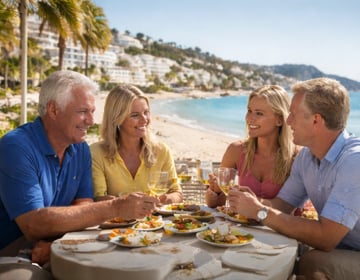
Education and Dutch Schools
There are many education options for Dutch families in Spain, offering classes in the Dutch language. Some families also enrol their children in Spanish public or private schools, though most prefer international schools for Dutch students, especially for early school transitions.
Visa and Residency
Dutch citizens do not need a visa for Spain if they are staying for up to 90 days, as they are EU nationals. This freedom is one of the key draws for Dutch expats considering a move. However, as part of Spain residency rules for Dutch citizens, those staying more than three months need to obtain a Certificate of Registration as an EU Resident, different from a traditional visa. With this certificate, they can live, work, study, and access services.
Taxes for the Dutch Expats in Spain
Dutch citizens staying more than 183 days become a tax resident in Spain, which means taxation on worldwide income. However, the Netherlands and Spain have a double taxation treaty, preventing Dutch expats from being taxed twice on the same income.
Remote Work
Dutch expats can work remotely while living in Spain with no additional permits. Many Dutch citizens keep working for a Dutch or international company, though it's worth looking into the employer's policies, and how remote work affects tax and social security obligations.
The Future of the Dutch Market in Spain
When looking at the drivers behind the trend, demand from Dutch buyers and interest in relocation look set to remain sustained and increasing. With this momentum, coastal hotspots remain a strong draw, and Costa Blanca (Alicante) remains the undisputed top destination. Dutch buyers also choose newer properties more and more, particularly in areas where modern amenities and resort living meet. The trend also suggests that lifestyle motivations and investment goals are increasingly merging, with Dutch retirees and second-home owners increasingly making the permanent move.
★ If you found this content helpful, please add tekce.com to your Preferred Sources in Google.



 EN
EN 


