- Home
- Blog
- Tips & Advice
- Renting Out Property in Turkey: Investment Insights


Renting Out Property in Turkey: Investment Insights
Since Turkey attracts both international tourists and long-term residents, it has one of the most active real estate markets in the world. While major cities like Istanbul, Antalya and Ankara continue to grow, tourism remains strong, and internal migration supports constant housing demand. These factors create a stable environment for property owners who want to generate rental income in Turkey.
Today, many homeowners see renting out a property in Turkey as a strategic decision rather than a temporary solution. In other words, for those considering making a real estate investment in Turkey, high rental income stands out as one of the main reasons to enter the market.
In this Turkish property rental guide, we will give detailed information about how to rent your home in Turkey, so you can save time and benefit from income stability and long-term value growth to make a profitable investment.
Key Benefits of Renting Out Property in Turkey
Having a property in Turkey for rent offers several financial and practical advantages for homeowners and investors. These benefits go beyond monthly income and extend into asset protection and portfolio growth.
In t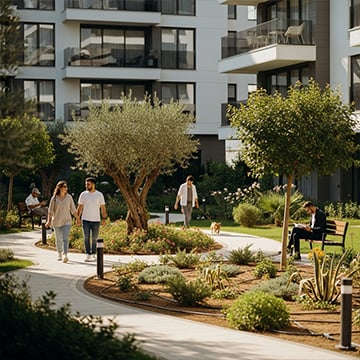 he first place, we can say that rental property marketing in Turkey faces strong demand across different regions and tenant profiles. For instance, tourism-driven locations like Antalya or Muğla support short and mid-term rentals, while metropolitan areas like Istanbul and Ankara favor long-term tenants. This variety allows you to adjust your strategy based on market conditions.
Second, rental yields in Turkey remain competitive compared to many European countries. Well-located apartments in major cities often deliver solid annual returns, especially when pricing and tenant selection are handled carefully. For this reason, many investors and first-time buyers choose homes near transport links, universities, hospitals, and business centers, as these locations make renting property in Turkey faster and more reliable.
Having a property rental in Turkey also gives you the opportunity to protect yourself against inflation. While rent adjustments are regulated, long-term rental income often keeps pace with market changes, providing an additional layer of financial balance, particularly for foreign investors.
Last but not least, renting out your property in Turkey keeps your home active. As occupied homes are regularly maintained, monitored, and protected, this reduces long-term damage. It also supports the property’s resale value.
Best Strategies to Rent Out Your Property in Turkey Quickly and Profitably
If you are saying, “I want to rent my house in Turkey but I am not sure how to choose the right tenant in Turkey”, you are in the right place. As TEKCE Real Estate, we have gathered the essential strategies you need to follow to manage the whole rental process in a clear and structured way.
In  this section, we will cover key points ranging from preparing your property for rent in Turkey and screening potential tenants to setting the right pricing strategy to support a successful rental experience. By following these strategies, you can also learn how to rent your home fast in Turkey as well.
Preparing the Property for Rent
According to market analysis, professionally cleaned and maintained homes receive significantly more inquiries than similar properties with visible wear. So, before you list a property for rent in Turkey, make sure that all technical systems work seamlessly. Heating and cooling systems are especially important, as tenants often consider monthly utility efficiency when choosing a home.
Cosmetic condition also matters. Neutral wall colors and good lighting make rental properties in Turkey appear larger and more functional. For instance, fully furnished apartments tend to rent faster in short and mid-term rental markets such as Antalya, while unfurnished or semi-furnished homes are preferred for long-term rentals in metropolitan areas like Ankara.
Defining the Target Tenant Profile for the Property
As rental demand in the country varies significantly by city, district, and property type, you should identify the target tenant before marketing. For example, student-dominated areas near universities in Ankara and Istanbul favor affordable apartments. Meanwhile, business districts attract professionals who prioritize transport access and interior comfort. On the other hand, coastal cities like Muğla and Antalya attract short and mid-term tenants who expect fully equipped homes. So, properties marketed with a clear tenant profile rent faster than those advertised broadly. Also, when you are renting, it is also important to respect tenants’ rights in Turkey, which we will discuss later in this article.
Marketing Essentials for Listing the Property in Online Platforms
Ge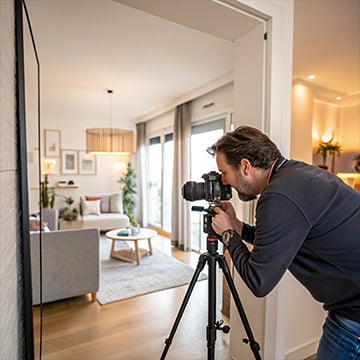 nerally, online visibility plays a dominant role in rental success. Properties with professional photos receive substantially more views and inquiries than listings with low-quality images. So, make sure that the photos of your property accurately represent room sizes and natural light. Also add the floor plans to improve inquiry quality. On the other hand, descriptions should be factual and structured. So, when you are listing a property for rent in Turkey, give clear information about location, transport access, nearby services, and rental terms.
Pricing Strategies to Attract More Tenants Quickly
Perhaps pricing might be the most decisive factor in how quickly a property rents. Usually, overpriced properties tend to stay on the market longer, while realistically priced homes often receive multiple inquiries within days. Therefore, the best rental price strategy in Turkey is to set a realistic price.
Now, let’s look at average rental property prices in Turkey’s main cities to gain a deeper understanding of the market.
- Istanbul: The average gross rental yields generally range between 4% and 6% in Istanbul, depending on the district, building age, and proximity to transport. Long-term rentals dominate the market here, with strong demand in central and residential neighborhoods.
- Antalya: The average rental yields in Antalya typically range from 5% to 7%, supported by tourism and international tenants. Central or coastal areas perform well for short and mid-term rentals, while residential districts favor longer stays.
- Ankara: In Ankara, the average yields are usually between 4% and 5%. The city is driven by steady demand from public-sector employees, academics, and students. So, in this market, long-term rentals are the most stable option.
So, if you are wondering how to price a rental property in Turkey, it’s best to compare similar listings in your area and adjust prices based on demand trends. This way, you can reduce vacancy time and stabilize your annual returns.
Managing Deposits and Rental Payments
W hen managing deposits and rental payments, you should follow a clear and transparent financial structure to minimize potential legal and financial risks. In Turkey, rental payments are typically made via bank transfer, as this method provides an official transaction record and protects both parties. Security deposits are also commonly used and should be clearly defined in the rental contract, including the amount, payment timing, and refund conditions at the end of the lease term.
In addition to payment management, you must also comply with the legal requirements for renting property in Turkey, including tax regulations related to rental income. Rental income is subject to an annual income tax declaration, with tax rates applied progressively based on total earnings. For further details, you can also read our guide on taxes and legal aspects for rental income in Turkey.
Property Management and Ongoing Maintenance
Long-term rental success also relies heavily on regular repair and effective property management in Turkey. Well-managed and properly maintained properties tend to attract reliable tenants, achieve higher occupancy rates, and experience fewer disputes over time. Routine inspections, on the other hand, identify potential issues at an early stage, preventing costly repairs.
Professional property management companies in Turkey typically handle essential tasks such as maintenance coordination, rent collection, and tenant communication, allowing you to manage your investments with ease. At TEKCE, we provide comprehensive property management services tailored to the needs of both local and international investors. By working with us, you can protect your rental income level high, and preserve the long-term value of your property.
Working with Real Estate Agents for a Smooth Process
Whil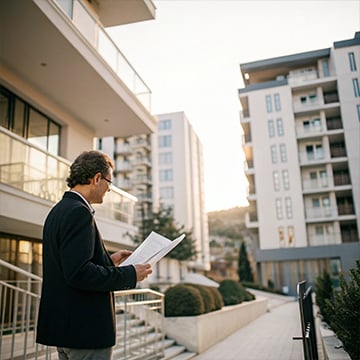 e the strategies outlined above play a key role in achieving a successful rental experience, working with professional real estate agents can further enhance the process. Properties marketed through experienced local agents often rent more quickly, as these professionals have established client networks and in-depth knowledge of local demand.
As a professional real estate company, at TEKCE we add value to the rental process through accurate pricing strategies, careful tenant screening, and strong negotiation expertise. We manage property viewings, handle all necessary documentation, and maintain clear and consistent communication throughout the process. Our support is especially beneficial for overseas landlords and investors with multiple properties, as we ensure a smooth, efficient, and well-organized rental experience from initial marketing to tenant placement and beyond.
Overview of Rental Laws and Regulations in Turkey
Rental activity in Turkey is governed by the Turkish Code of Obligations, which sets clear rules for how residential leases are formed, renewed, and terminated. The system focuses on stability, transparency, and balanced rights and obligations of landlords and tenants in Turkey.
In Turkey, residential properties can be rented out without a special license, provided the property is legally registered and approved for residential use. In most cases, written rental contracts are used when renting a home in Turkey. These contracts usually specify the rent amount, payment method, lease duration, security deposit, and maintenance responsibilities. Most residential leases are signed for one year and renew automatically unless one party raises a formal objection.
O n the other hand, tenant protection is a key feature of Turkey's new rental laws. The end of a fixed-term lease does not automatically allow termination by the landlord. Tenants have the right to request renewal under the same conditions, and landlords may only refuse renewal for legally recognized reasons such as personal use of the property or major renovation. This structure encourages long-term occupancy and makes careful tenant selection especially important for investors.
Rent increases are also regulated and cannot be applied freely. Annual increases are limited to the Consumer Price Index, which is revealed by the Turkish Statistical Institute, and can only be applied once per year. Any increase above this limit is not permitted by law, even if written in the contract.
When it comes to short-term rentals in particular, these are regulated separately and are subject to additional registration and compliance requirements. If you are considering this model, you should carefully review our article about short-term rental property management in Turkey to understand licensing and ongoing obligations.
Overall, Turkey’s rental regulations provide a structured and predictable environment. Once you completely understand your responsibilities in Turkey, property management and the rental experience becomes clear.
Turn Your Property into a Reliable Income with TEKCE!
As TEKCE, we stand by your side throughout your entire real estate journey, from identifying the right investment property to managing it efficiently over the long term. We approach every property with a structured, professional, and data-driven mindset, carefully aligning your goals with current market demand.
Through TEKCE Property Management, you can gain access to comprehensive rental services, including tenant screening and coordination, rent collection, legal compliance, and ongoing property maintenance. This will allow you to maximize rental income, secure reliable tenants, and reduce operational risks, ultimately supporting long-term success in Turkey’s real estate market.
★ If you found this content helpful, please add tekce.com to your Preferred Sources in Google.




 EN
EN 


